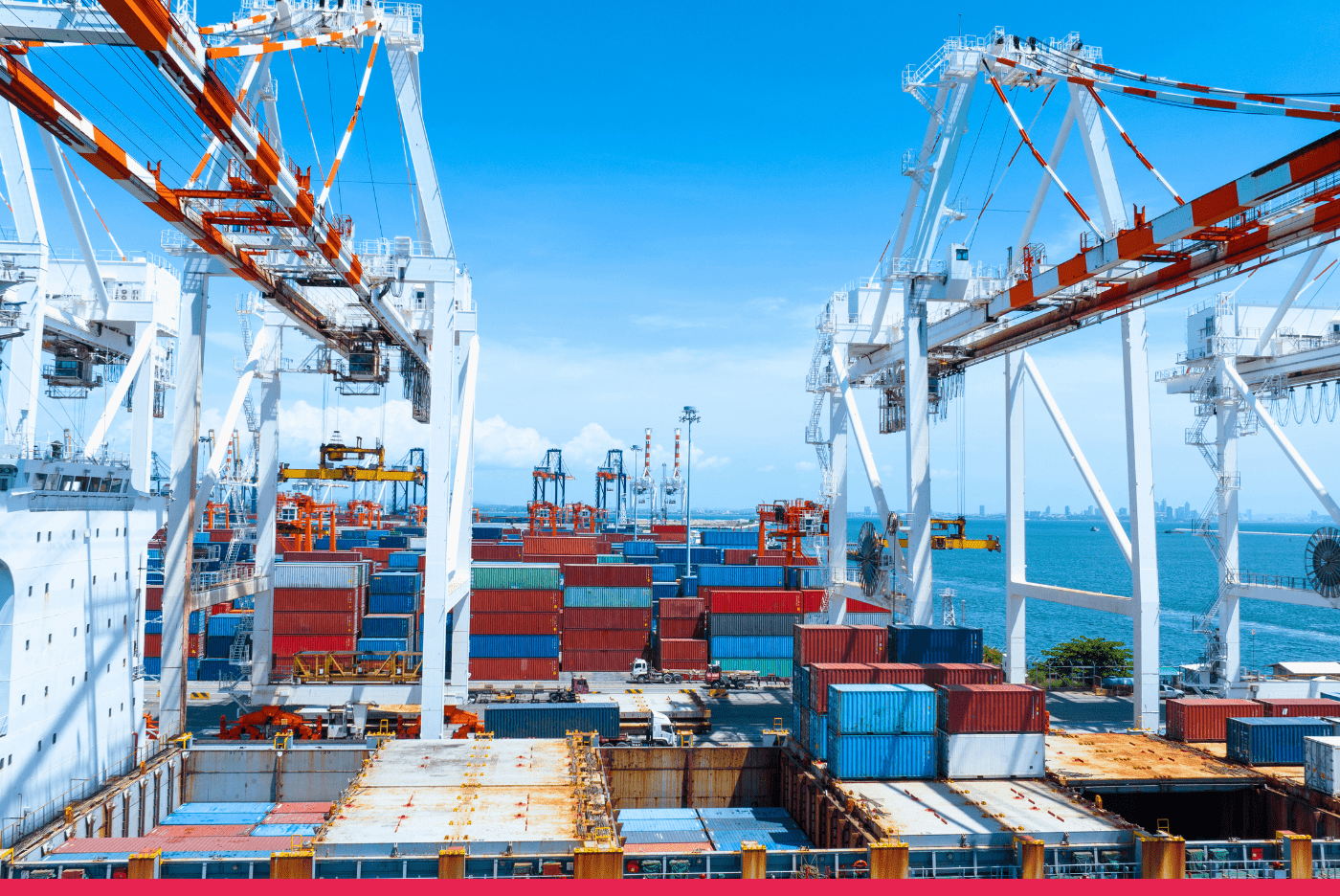
Port Expansion: Unlocking Kenya's Trade Potential.
Kenya’s ports, led by Mombasa (East Africa’s largest) and Lamu (new LAPSSET corridor), have evolved from colonial-era facilities into modern PPP-managed gateways. Development focuses on dredging, terminal expansion, SGR connectivity, and digital single-window systems. Operationalization emphasizes efficiency, reduced dwell time, and regional transshipment, and green-port initiatives.
Why It Matters
To facilitate trans-shipment of cargo and increase cargo handling capacity
Progress
65%
Benefits
Economic Growth and Job Creation:
Ports handle 95% of Kenya’s international trade. Modernization has raised annual cargo throughput from ~22 million tonnes (2013) to >50 million tonnes (2025), generating over KSh 100 billion yearly in direct revenue and supporting 2–3% of national GDP through trade-related activities.
Regional Trade Hub Status:
Faster turnaround (dwell time cut from 10+ to ~4 days) and deeper berths, and SGR connectivity have made Kenya the preferred gateway for Uganda, South Sudan, eastern DRC, Rwanda, Burundi, and northern Tanzania, increasing transit cargo from <3 million to >12 million tonnes annually and earning billions in transit fees.
Job Creation & Industrialization:
Job Creation & Industrialization
Port upgrades and linked Special Economic Zones (Dongo Kundu, Lamu) have created >50,000 direct jobs and >200,000 indirect jobs in logistics, shipping, manufacturing, and agro-processing, driving inclusive growth along the coast and northern corridor.