Story Overview
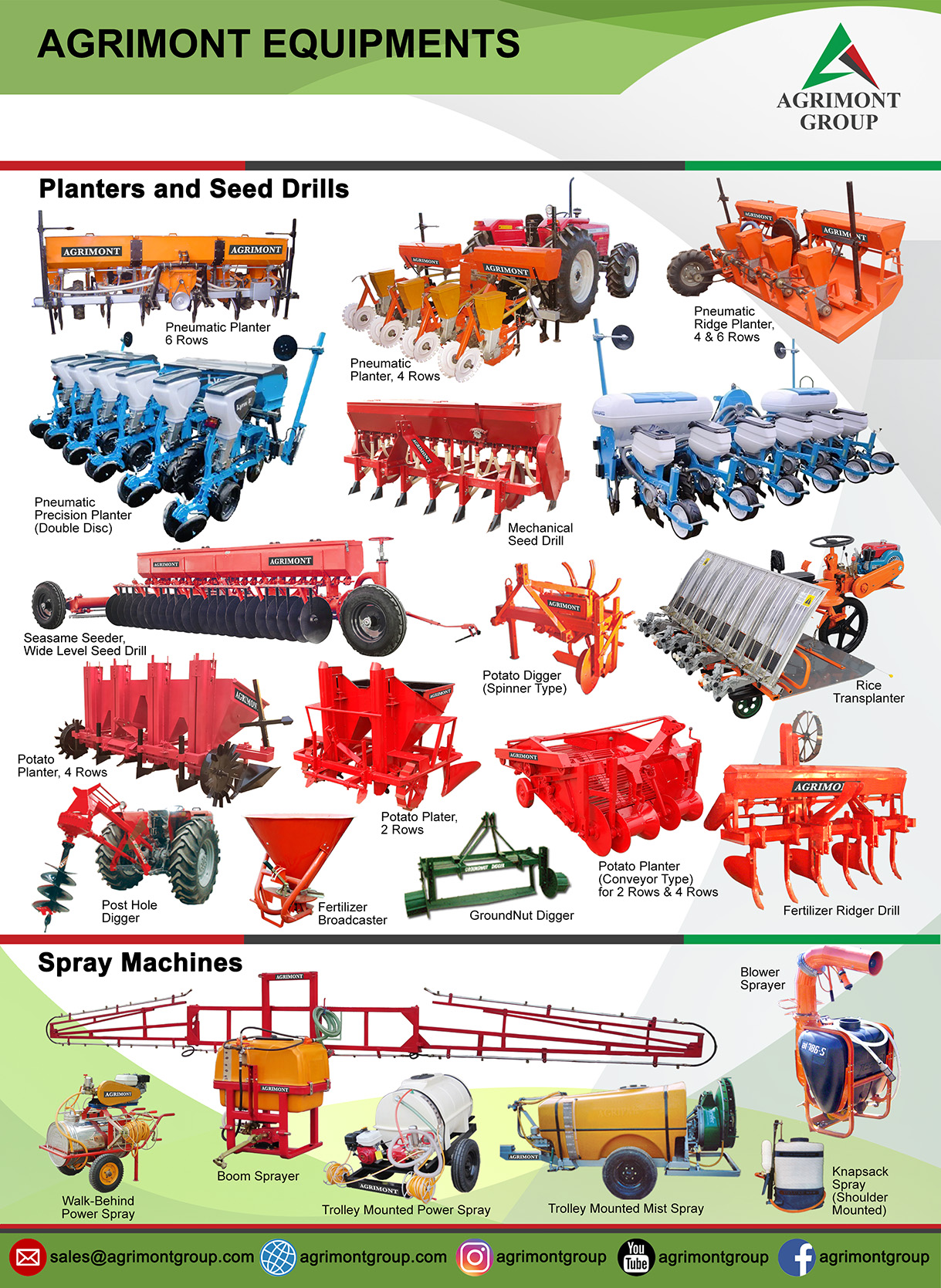
Public-facing summary of this government priority project.The project focuses on manufacture and assembly of components and parts of agro-machinery, industrial machinery, automotive, motorcycles, aerospace and ship and equipment.
Why It Matters
How this intervention contributes to public value.it attract investments in the manufacture and assembly of agro-machinery, industrial machinery, automotive, motorcycles, parts of aerospace and ship and equipment.
Implementation Progress
Current implementation status and expected completion.Key Metrics
Quantitative indicators attached to this story.Key Benefits
Expected or realized public benefits.Positioning Kenya as a competitive hub for the manufacture and assembly of agro-machinery, industrial equipment, automotives, motorcycles, aerospace components, and maritime vessels. By creating a conducive investment climate, through infrastructure, policy incentives, and skills development, the initiative stimulates capital inflows, technology transfer, and industrial upgrading. It strengthens local supply chains, increases domestic value addition, promotes high-skilled employment, and enhances export potential. Ultimately, it accelerates industrialization, reduces dependence on imports, and builds long-term manufacturing competitiveness within regional and global markets.