Story Overview
Public-facing summary of this government priority project.This project scope includes four Industrial warehouses completed to facilitate ‘plug and play’ investment opportunities; A 10 million and 2.5 million litres per day (MLD) Effluent treatment plant and associated infrastructure constructed; External and internal Roads constructed (connecting the park to the main Nairobi-Mombasa Highway); Water Supply, Storage and Reticulation completed; and Industrial Power supply and distribution completed
Why It Matters
How this intervention contributes to public value.Citizens require big factories nearing completion, jobs, and local economic benefits.
Implementation Progress
Current implementation status and expected completion.Key Metrics
Quantitative indicators attached to this story.Project Gallery
Photos and media evidence from implementation.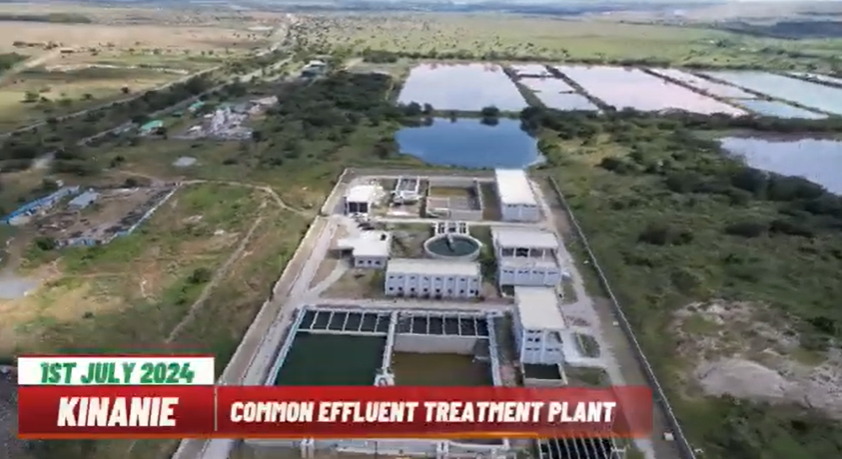
Key Benefits
Expected or realized public benefits.Enhancing value addition and market expansion for leather products involves shifting from exporting raw hides and semi-processed skins to producing and marketing high-quality finished leather goods such as footwear, bags, and upholstery. This transformation increases domestic income retention, creates jobs across the value chain, improves product quality and competitiveness, and expands access to regional and international markets. Ultimately, it strengthens industrial growth, boosts export earnings, promotes import substitution, and enhances the overall economic contribution of the leather sector.