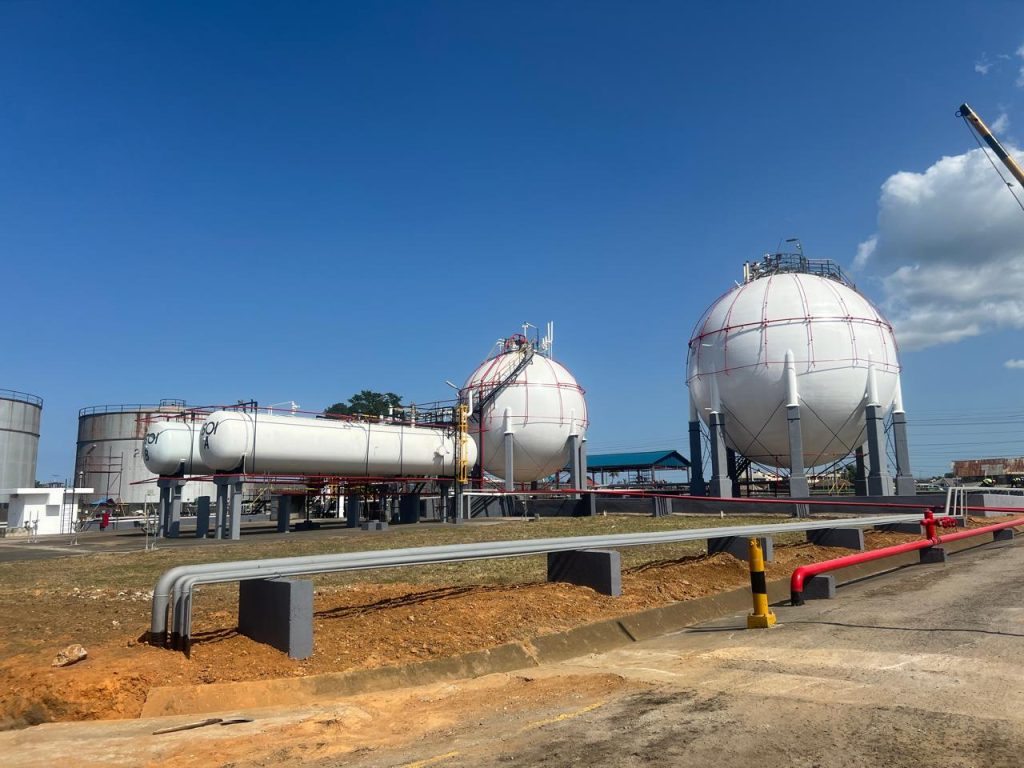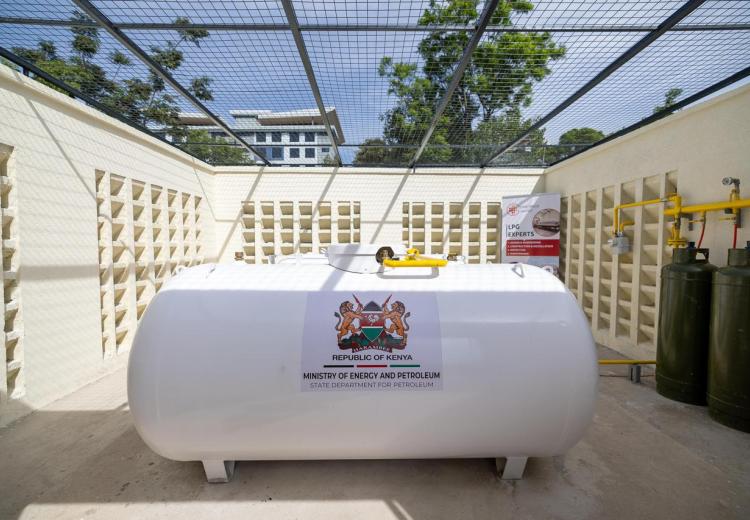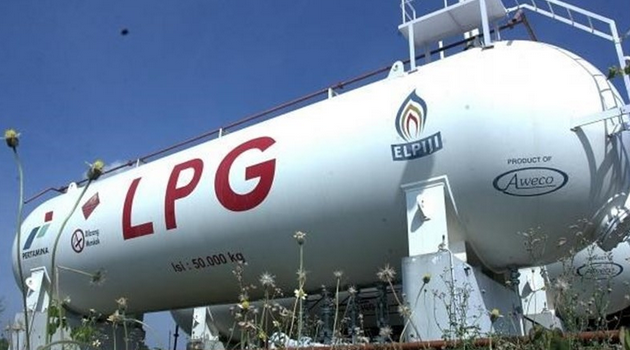
National Liquefied Petroleum Gas Enhancement
The National Liquefied Petroleum Gas Enhancement Project, known as the Mwananchi Gas Project, is a Kenyan government initiative launched in 2018 by the Ministry of Energy and Petroleum through the National Oil Corporation (NOCK). It subsidizes 6kg LPG cylinders at KSh 2,000 for low-income households, aiming to boost per capita consumption from 2kg to 15kg by 2030, enhancing clean cooking access nationwide.
Why It Matters
The project aim is to promote use of clean sources of energy by households and learning institutions
Progress
67%
Benefits
Environmental Conservation:
Increased LPG use slows deforestation and reduces the 1.8 million tonnes of charcoal Kenya consumes annually, lowering greenhouse gas emissions and combating climate change.
Improved Public Health:
Subsidized LPG replaces kerosene, charcoal, and firewood, drastically reducing indoor air pollution. This cuts respiratory diseases, especially among women and children exposed to toxic smoke from traditional cooking fuels.
Economic Empowerment & Safety:
Affordable 6kg cylinders with burners (at ~KSh 2,000) save low-income households money over time compared to charcoal/kerosene, while minimizing risks of burns, fires, and explosions linked to unsafe fuels.