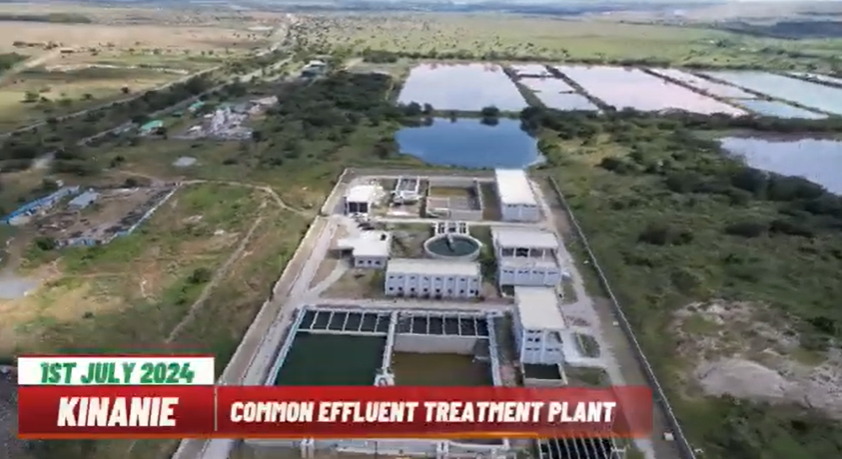
Kenanie Leather Industrial Park

To propel Kenya towards becoming a regional leather and leather products manufacturing hub, which in turn leads to wealth and employment creation for Kenyans

Project 2 Stories 77 views 4 likes
77
Page Views
2
Total Stories
82%
Avg. Progress
2
Upcoming
2
With Media
Enhance value Addition in Leather Products

Enhance value Addition in Leather Products

The projects call for investors to take up rental spaces in the park, noting the availability of ready-to-use warehouses, utilities such as water, electricity, and internet.

Why It Matters

The project will promote the leather value chain and boost the country's manufacturing sector.
Progress 85%

Key Metrics

85 Percentage level of completion

Benefits

Boost local manufacturing sector by utilizing the over 18 million skins from goats and sheep produced annually.: Reduce the cost of imports
Previous Story Next Story
Stepping Up: Kenya's Leather Sector Leverages Value Addition for Growth

Stepping Up: Kenya's Leather Sector Leverages Value Addition for Growth

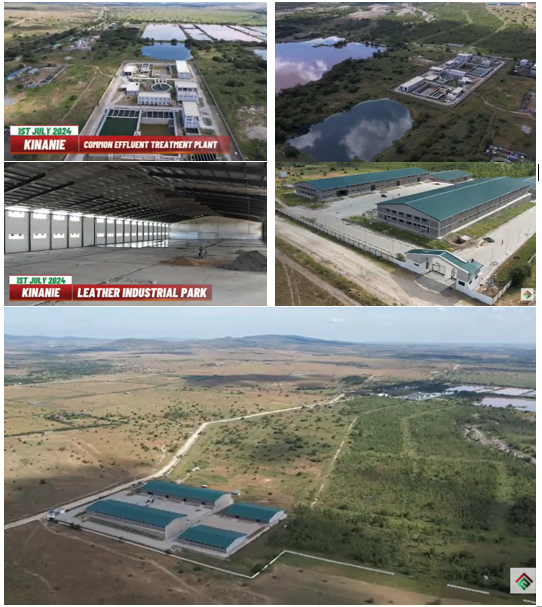
This project scope includes four Industrial warehouses completed to facilitate ‘plug and play’ investment opportunities; A 10 million and 2.5 million litres per day (MLD) Effluent treatment plant and associated infrastructure constructed; External and internal Roads constructed (connecting the park to the main Nairobi-Mombasa Highway); Water Supply, Storage and Reticulation completed; and Industrial Power supply and distribution completed

Why It Matters

Citizens require big factories nearing completion, jobs, and local economic benefits.
Progress 79%

Key Metrics

KES 120 Bn Transformation of the leather industry from current estimated value of Kshs 15 Billion to Kshs 120 Billion
100,000 jobs Increase in employment from the current 17,000 (7,000 formal & 10,000 informal) to 100,000 jobs.
50,000 tonnes Increased tanning capacity to process all hides and skins
78,000,000 Square ft of Finished leather Increased capacity for Finished leather
4 shoe factories Promote establishment of at least four (4) shoe factories with annual capacity of 5 million pairs each at the Park
36 Million Footwear produced Foreign exchange saved through footwear imports of substitution

Benefits

To enhance value addition and market of leather products: Enhancing value addition and market expansion for leather products involves shifting from exporting raw hides and semi-processed skins to producing and marketing high-quality finished leather goods such as footwear, bags, and upholstery. This transformation increases domestic income retention, creates jobs across the value chain, improves product quality and competitiveness, and expands access to regional and international markets. Ultimately, it strengthens industrial growth, boosts export earnings, promotes import substitution, and enhances the overall economic contribution of the leather sector.

Gallery (1 images)

Previous Story Next Story
Back to Projects
Success
Link copied to clipboard!